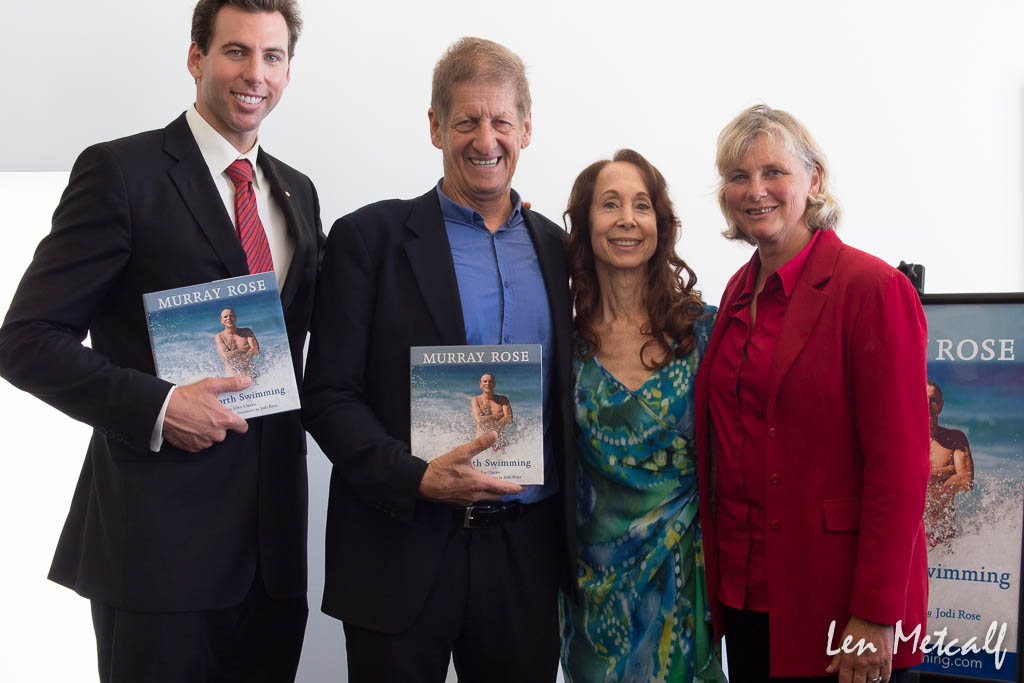
A swimmer who made the sport look effortless, Rose was a six-time Olympic medallist (four gold, one silver, one bronze) and at one time held the world records in the 400-metre, 800-meter and 1500-metre freestyle (long course) events. He made his Olympic debut at the 1956 Summer Olympics in Melbourne as a 17-year-old and won three Olympic medals, all gold. Four years later, as a 21-year-old, he won three Olympic medals (one gold, one silver, one bronze) at the 1960 Summer Olympics in Rome.
Reminiscing about Rose’s great achievements and influence on the history of international competitive swimming, Shane Gould described Murray Rose as a man “attuned to the water” and said that watching him swim was a “spiritual moment”. Grant Hackett cited Murray Rose as a “great inspiration” and said that “the dialogue (of Australian swimming) started with Murray...he was a master of the sport “.
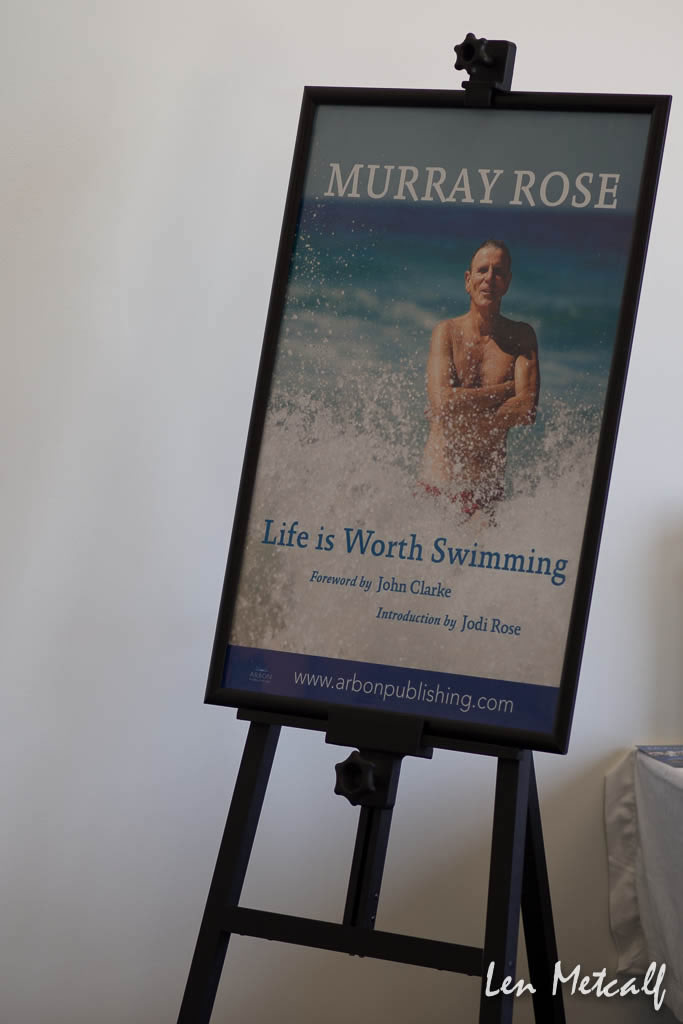
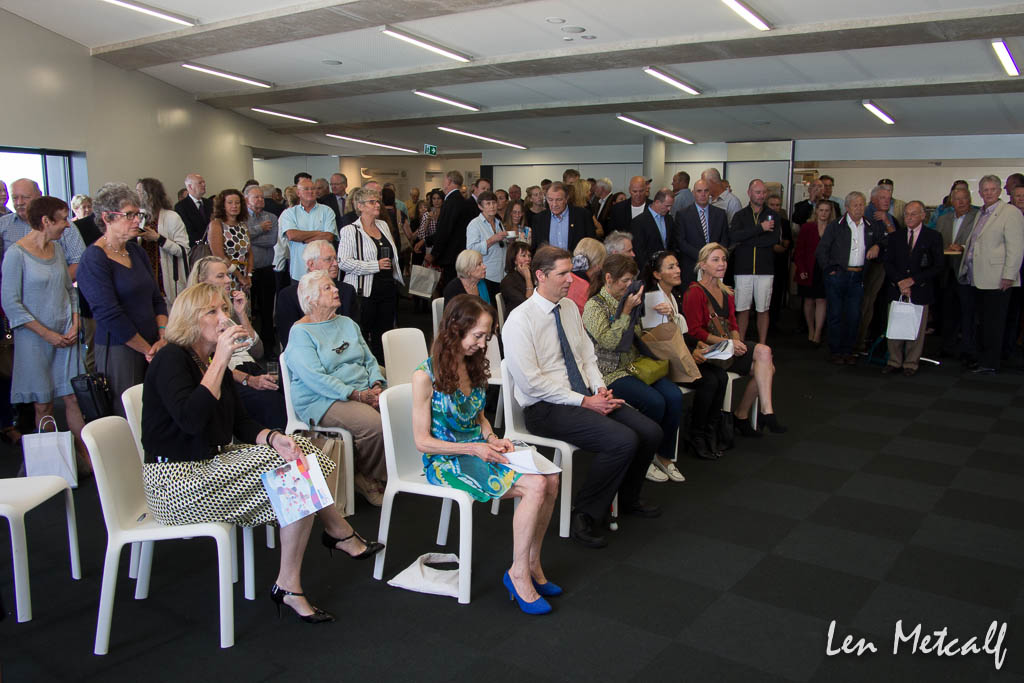
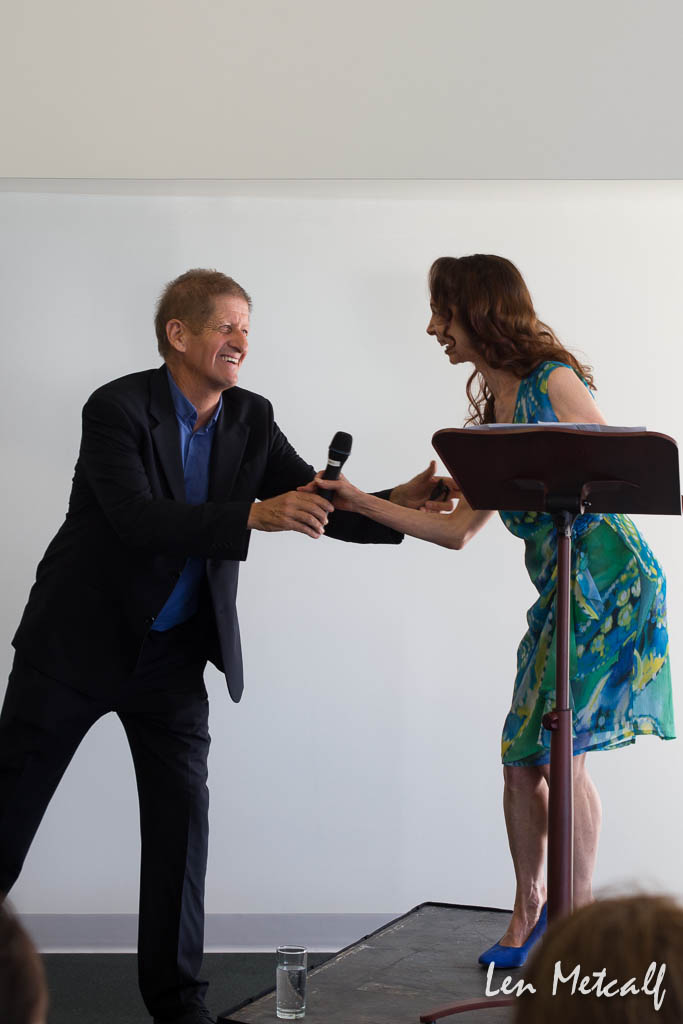
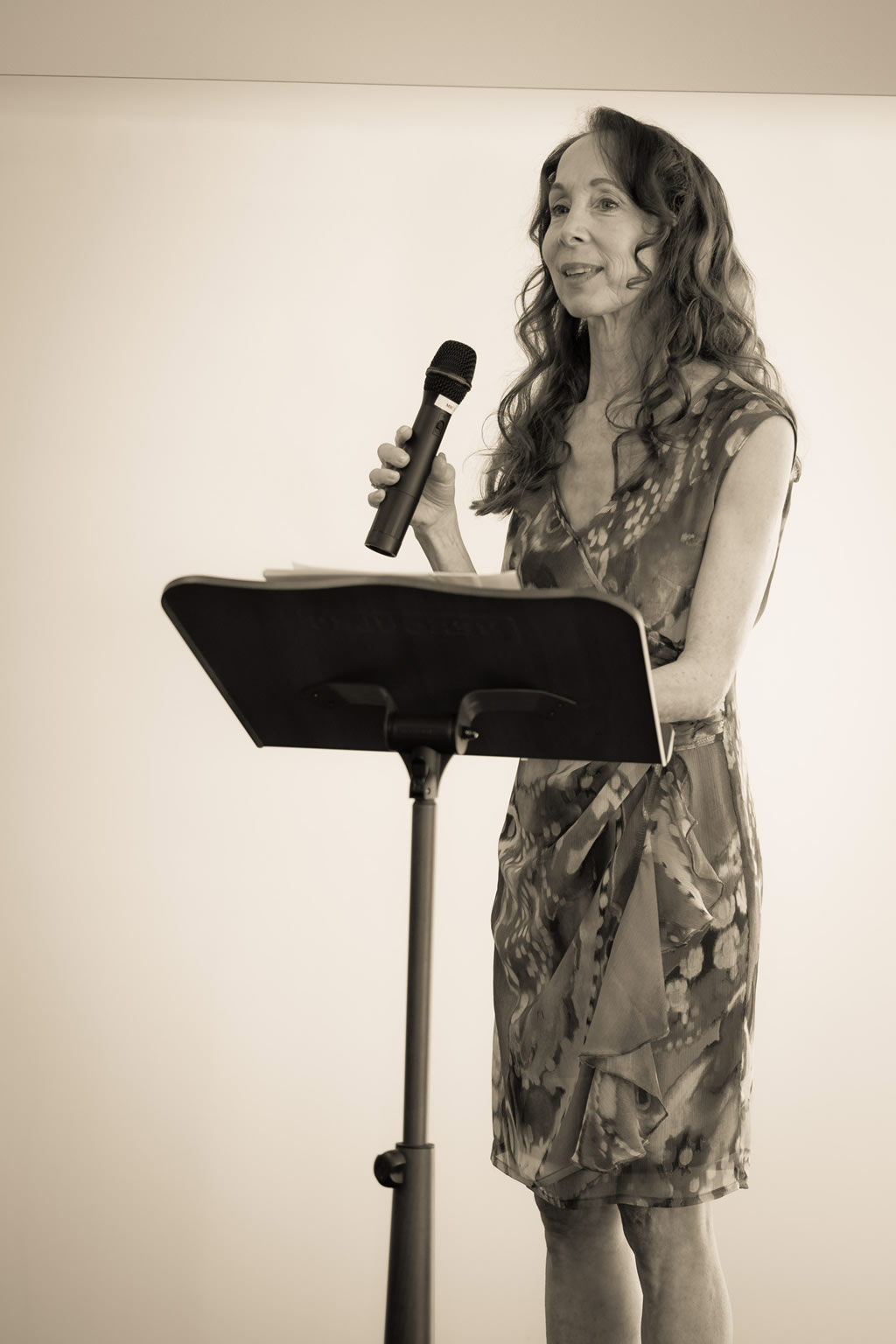
Notable Australian sports commentator and comedian Greig Pickhaver, who acted as Master of Ceremonies at the launch, said of Rose, “Murray built something for the water and discovered the purpose of life by moving through it”. Shane Gould explained: “Murray was a very thoughtful person. There’s this idea that athletes are all brawn, no brains and not much substance...but in Life is Worth Swimming Murray does show that as a swimmer you can draw a lot of meaning, value and insights about life.”
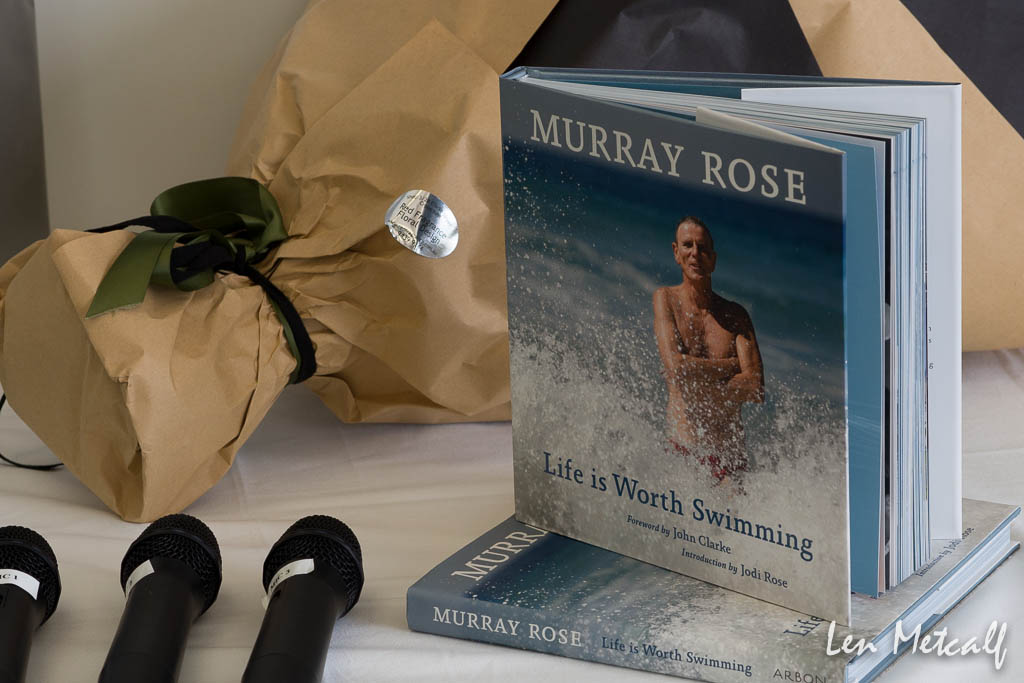
A man who distinguished himself outside of the water as much as within it, Murray Rose pursued a Hollywood acting career and served as an official commentator for seven consecutive Olympic Games, both for the four major US networks and Australia’s Channel Nine. Life is Worth Swimming was written before his 2012 diagnosis with acute leukaemia, and it was his wish that it be published posthumously.